How to Prevent Cosmetics from Causing Facial Issues
Friday, October 04, 2024
The Impact of Skin Cosmetics: Beneficial Effects and Potential Concerns
Men and women both use cosmetics, with women typically using more color cosmetics than men. However, men also incorporate various skincare products like aftershave lotions, moisturizers, creams, and lotions.
It's important to prioritize the health of our skin, as some ingredients in cosmetics can lead to long-lasting skin issues that require treatment. By being informed about potential risks, we can make better choices for our skincare routines.
Unveiling the Truth: Skin Cosmetics, Allergies, and Your Health
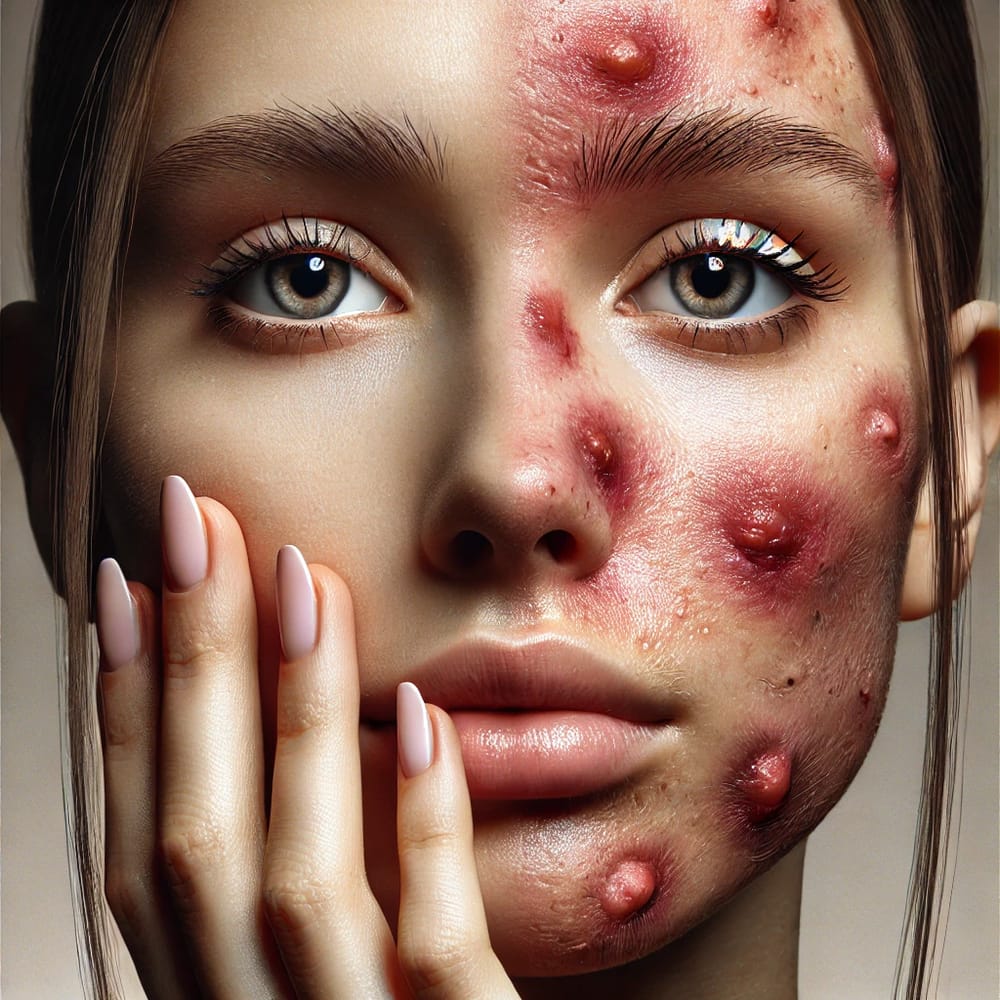
Skin cosmetics can trigger two types of allergies - Irritant Contact Dermatitis or Allergic Contact Dermatitis. Irritant Contact Dermatitis occurs when the skin becomes inflamed due to contact with any ingredient, even seemingly harmless substances like water. On the other hand, Allergic Contact Dermatitis results in an allergic reaction upon contact with a specific ingredient.
It's essential to be cautious and conduct a patch test before using any new product to avoid skin inflammations and adverse reactions.
Allergic contact dermatitis triggers an allergic reaction upon contact with a specific ingredient, leading to a flare-up. The reasons behind developing this allergy while others do not remain unknown.
Additionally, there is a concern with phototoxic substances, where applying certain products and exposing the skin to sunlight can result in a phototoxic reaction. Many pure and natural essential oils from the lime family are known to cause this reaction.
Choosing the Right Skin Cosmetics: A Guide to Safe and Effective Products
When purchasing cosmetics, it's crucial to carefully review the ingredient labels. If you're aware of any ingredients that may trigger dermatitis, avoid using the product.
Conduct a patch test by applying a small amount of the new product on your wrist and observe for reactions over twenty-four hours.
Opt for hypoallergenic and non-comedogenic products. Identify and steer clear of ingredients that concern you to prevent skin inflammations, discoloration, and blisters.
This article serves as an informative guide and should not be considered medical advice.
It does not replace professional medical advice.
Please consult your doctor for any medical concerns.
If you decide to follow any tips mentioned in this article, do so after consulting your healthcare provider.
The author is not responsible for any outcomes or damages resulting from the information provided here.