Discover the Expansive World of Cosmetics and Its Varieties
Wednesday, September 04, 2024
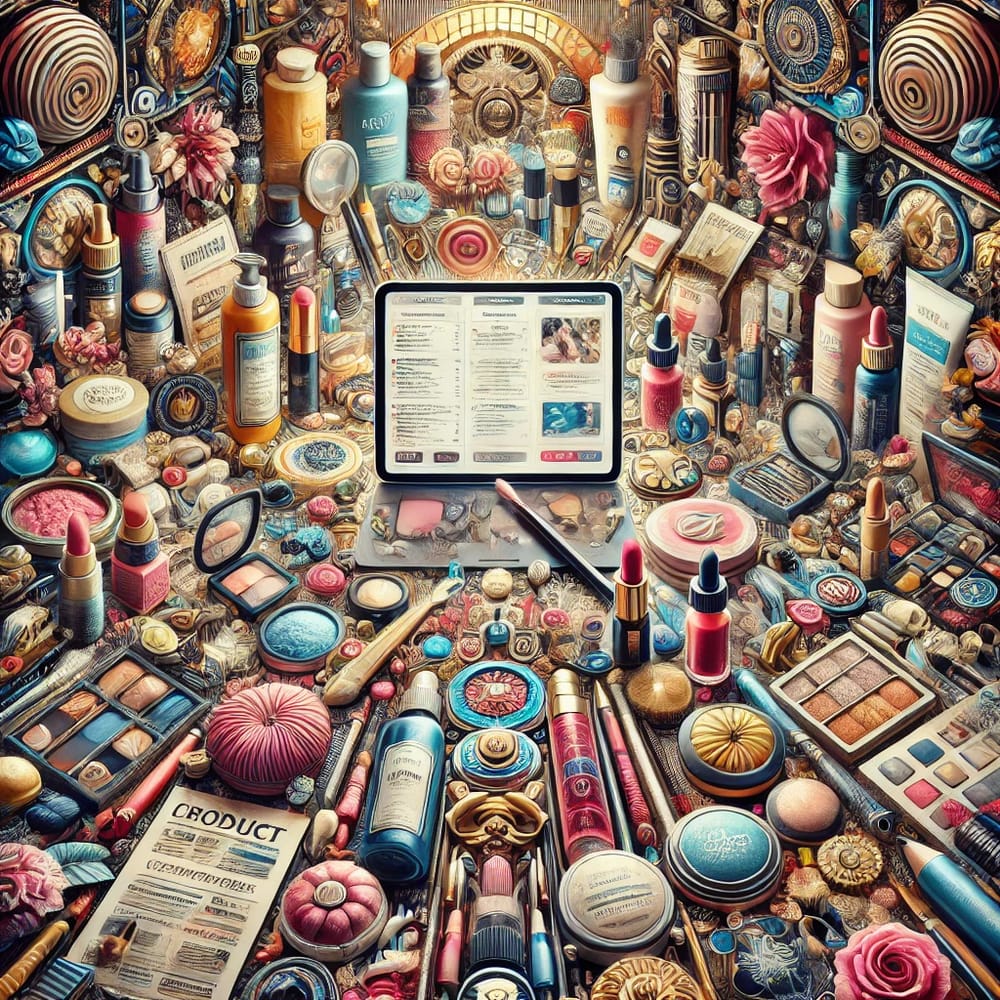
Are you fascinated by the endless aisles of beauty products at your local store? Do you find yourself wondering just how vast the cosmetics industry truly is? Well, you're in for an enlightening read! The cosmetics industry is a colossal and dynamic field that embraces innovation, beauty, and science. This blog post will explore the extensive scale of this industry and introduce you to the different types of cosmetics available. Whether you're a seasoned beauty enthusiast or just starting your beauty journey, there's something here for everyone.
The Global Magnitude of the Cosmetics Industry
The cosmetics industry is one of the largest and fastest-growing sectors globally. According to recent statistics, the global cosmetics market was valued at approximately $380 billion in 2019 and is projected to surpass $460 billion by 2027. This growth is driven by increasing consumer interest in personal grooming, rising disposable incomes, and the continuous introduction of innovative beauty products.
The industry encompasses a wide range of products, from skincare and makeup to haircare and fragrances. Major players like L'Oréal, Estée Lauder, and Unilever lead the market, but there is also a significant presence of indie brands making waves with unique offerings. The diversity and scale of the cosmetics industry mean there's something for everyone, regardless of budget or preference.
Skincare Essentials
Skincare is a fundamental aspect of the cosmetics industry, focusing on maintaining and improving the health and appearance of the skin. The skincare sector alone was valued at around $140 billion in 2020. This category includes products like cleansers, toners, moisturizers, serums, and sunscreens.
Cleansers are designed to remove dirt, oil, and makeup from the skin, providing a fresh canvas for other skincare products. Toners help balance the skin's pH levels, tighten pores, and remove any remaining impurities. Moisturizers are crucial for hydrating the skin, preventing dryness, and maintaining a healthy barrier. Serums, which are typically packed with active ingredients, target specific skin concerns such as wrinkles, dark spots, and acne. Lastly, sunscreens are essential for protecting the skin from harmful UV rays, preventing premature aging and skin cancer.
Makeup Magic
Makeup is perhaps the most glamorous and creative aspect of the cosmetics industry. It allows individuals to express their personality, enhance their features, and experiment with different looks. The global makeup market was valued at around $85 billion in 2020, with products ranging from foundations and concealers to lipsticks and eyeshadows.
Foundations and concealers provide a base for makeup, evening out the skin tone and covering imperfections. They come in various formulations, such as liquid, powder, and cream, catering to different skin types and preferences. Eyeshadows, mascaras, and eyeliners accentuate the eyes, creating a wide array of looks from subtle to dramatic. Lipsticks and lip glosses add color and shine to the lips, available in an array of shades and finishes. Blushes, bronzers, and highlighters add dimension and a healthy glow to the face.
Haircare Heroes
Haircare is another vital segment of the cosmetics industry, focusing on maintaining and enhancing the health and appearance of hair. The global haircare market was valued at approximately $93 billion in 2020. Haircare products include shampoos, conditioners, hair masks, styling products, and treatments.
Shampoos are formulated to cleanse the hair and scalp, removing dirt, oil, and product buildup. Conditioners help detangle and soften the hair, making it more manageable and reducing breakage. Hair masks provide deep conditioning, nourishing the hair from within and addressing specific concerns like dryness or damage. Styling products like gels, mousses, and sprays help create and maintain different hairstyles. Treatments, such as serums and oils, address specific hair issues like frizz, split ends, and thinning.
Fragrance Fantasy
Fragrances add an invisible yet powerful element to personal grooming, allowing individuals to express their personality and mood. The global fragrance market was valued at around $52 billion in 2020. Fragrance products include perfumes, colognes, body sprays, and scented lotions.
Perfumes and colognes are the most concentrated and long-lasting fragrance forms, typically composed of a blend of essential oils, alcohol, and water. They come in various scent families, such as floral, oriental, woody, and fresh, catering to different preferences and occasions. Body sprays are lighter and less concentrated, providing a refreshing burst of fragrance. Scented lotions combine the benefits of moisturization with a subtle fragrance, leaving the skin soft and pleasantly scented.
The Rise of Natural and Organic Cosmetics
With growing awareness of environmental and health issues, there's an increasing demand for natural and organic cosmetics. These products are formulated with natural ingredients, free from synthetic chemicals, and often come in eco-friendly packaging. The global natural and organic cosmetics market was valued at approximately $34 billion in 2020 and is expected to continue growing.
Natural and organic skincare products often feature ingredients like plant extracts, essential oils, and minerals. They are designed to nourish the skin without harsh chemicals, making them suitable for sensitive skin. Organic makeup products offer the same variety and performance as conventional makeup but without synthetic additives. Natural haircare products focus on nourishing the hair with botanical ingredients, avoiding sulfates, parabens, and silicones. Organic fragrances use natural essential oils to create unique and appealing scents.
The Impact of Technology on Cosmetics
Technology plays a significant role in the evolution of the cosmetics industry, driving innovation and enhancing product effectiveness. Advanced formulations, smart beauty devices, and augmented reality (AR) are just a few examples of how technology is shaping the future of cosmetics.
Advanced formulations leverage cutting-edge science to create products that deliver superior results. For instance, skincare products with peptides, retinoids, and hyaluronic acid provide targeted treatments for aging, hydration, and skin renewal. Smart beauty devices, such as facial cleansing brushes and LED therapy masks, offer professional-grade treatments at home. AR technology allows consumers to virtually try on makeup products, making it easier to choose the right shades and styles.
The Importance of Inclusivity in Cosmetics
Inclusivity has become a crucial aspect of the cosmetics industry, with brands recognizing the need to cater to diverse skin tones, types, and preferences. The success of brands like Fenty Beauty, which launched with 40 foundation shades, highlights the demand for inclusive beauty products.
Many brands now offer extensive shade ranges for foundations, concealers, and powders, ensuring that everyone can find a match. Inclusive marketing campaigns feature models of different ethnicities, ages, and body types, promoting a message of diversity and acceptance. Brands are also developing products for specific concerns, such as hyperpigmentation, sensitive skin, and textured hair, addressing the unique needs of different consumers.
Sustainability in the Cosmetics Industry
Sustainability is becoming increasingly important in the cosmetics industry, with consumers seeking products that are not only effective but also environmentally friendly. Sustainable practices include eco-friendly packaging, cruelty-free formulations, and ethical sourcing of ingredients.
Eco-friendly packaging reduces waste and environmental impact, with brands using recyclable, biodegradable, and refillable materials. Cruelty-free cosmetics are not tested on animals, ensuring that beauty products are created ethically. Ethical sourcing involves obtaining ingredients in a way that supports local communities and preserves biodiversity.
The Influence of Social Media on Cosmetics
Social media has revolutionized the cosmetics industry, providing a platform for beauty enthusiasts to discover new products, share reviews, and follow trends. Influencers, beauty bloggers, and brands use social media to connect with consumers, creating a dynamic and interactive beauty community.
Platforms like Instagram, YouTube, and TikTok are popular for beauty content, featuring tutorials, product reviews, and makeup challenges. Influencers and beauty gurus have a significant impact on consumer behavior, often driving sales and trends with their recommendations. Brands leverage social media for marketing campaigns, product launches, and customer engagement, creating a direct line of communication with their audience.
The Future of the Cosmetics Industry
The future of the cosmetics industry looks promising, with continuous innovation and evolving consumer preferences driving growth. Key trends to watch include personalized beauty, clean beauty, and the integration of wellness and beauty.
Personalized beauty involves customizing products and routines to individual needs, using data and technology to create tailored solutions. Clean beauty focuses on transparency and safety, offering products free from harmful chemicals and unnecessary additives. The integration of wellness and beauty emphasizes holistic approaches to skincare and self-care, promoting overall well-being.
The cosmetics industry is a vast and dynamic field, offering a wide range of products and innovations that cater to diverse consumer needs. From skincare and makeup to haircare and fragrances, there's something for every beauty enthusiast. The industry's growth is fueled by technological advancements, inclusivity, sustainability, and the influence of social media.
If you're passionate about beauty and eager to explore the latest trends and products, the cosmetics industry offers endless possibilities. Stay informed, experiment with different products, and join the vibrant community of beauty enthusiasts. For those looking to elevate their beauty game and stay ahead of the curve, sign up for our newsletter and receive exclusive updates, tips, and offers.
Discover the beauty within the cosmetics industry and enhance your personal grooming routine today!